BRSR Core KPIs Explained: What India's Top 500 Companies Must Report in FY 2025-26
Compliance & Regulations
PS Team
March 16, 2026
Table of Contents
What You Need to Know
If your company is among India's top 500 listed companies, BRSR reporting isn't optional anymore—it's mandatory.
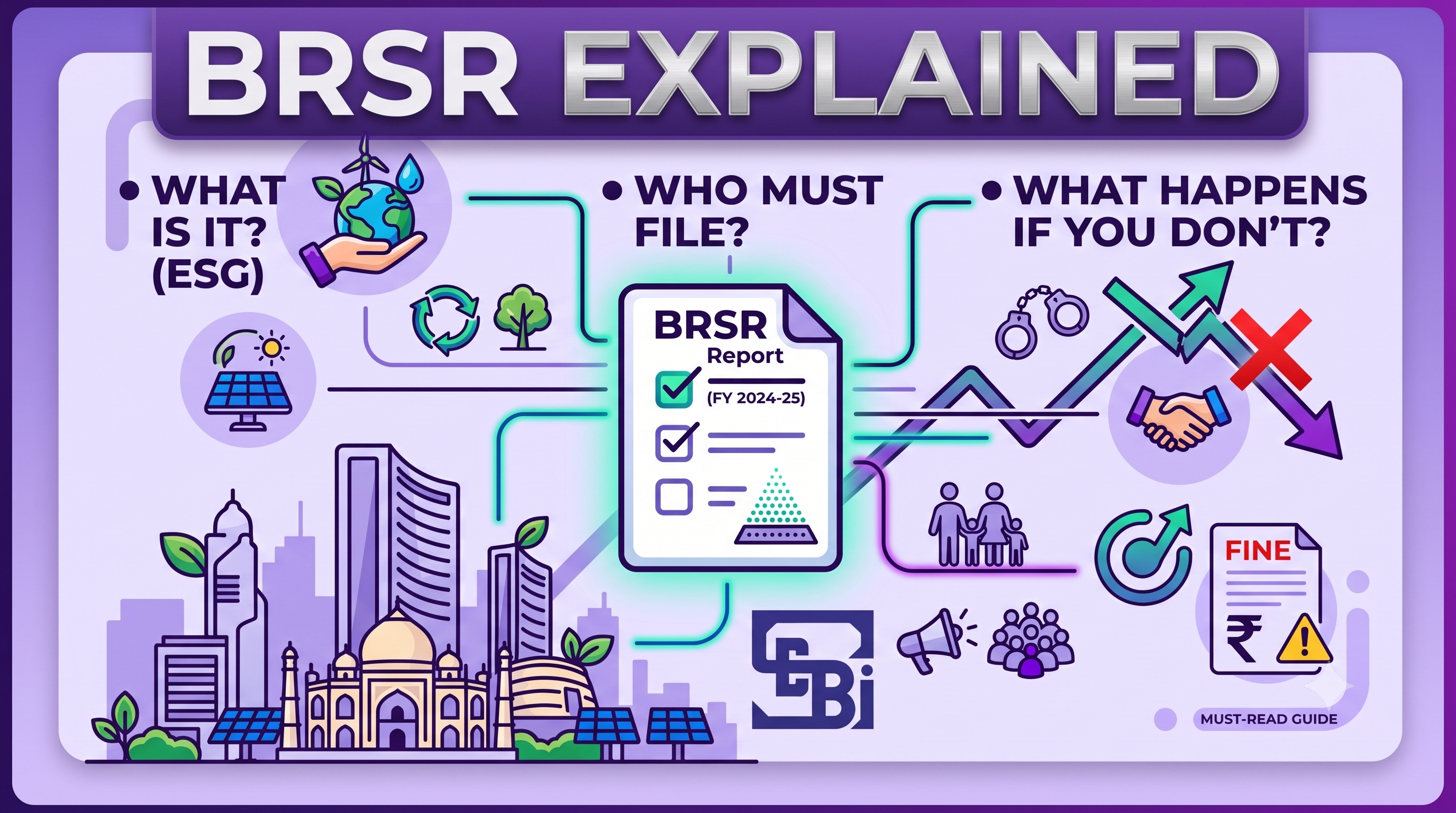
The Business Responsibility and Sustainability Report (BRSR) is SEBI's way of making sure India's largest companies are transparent about their environmental, social, and governance (ESG) performance.
The reality: Manual BRSR reporting is overwhelming. Multiple KPIs. Data from different departments. Tight deadlines.
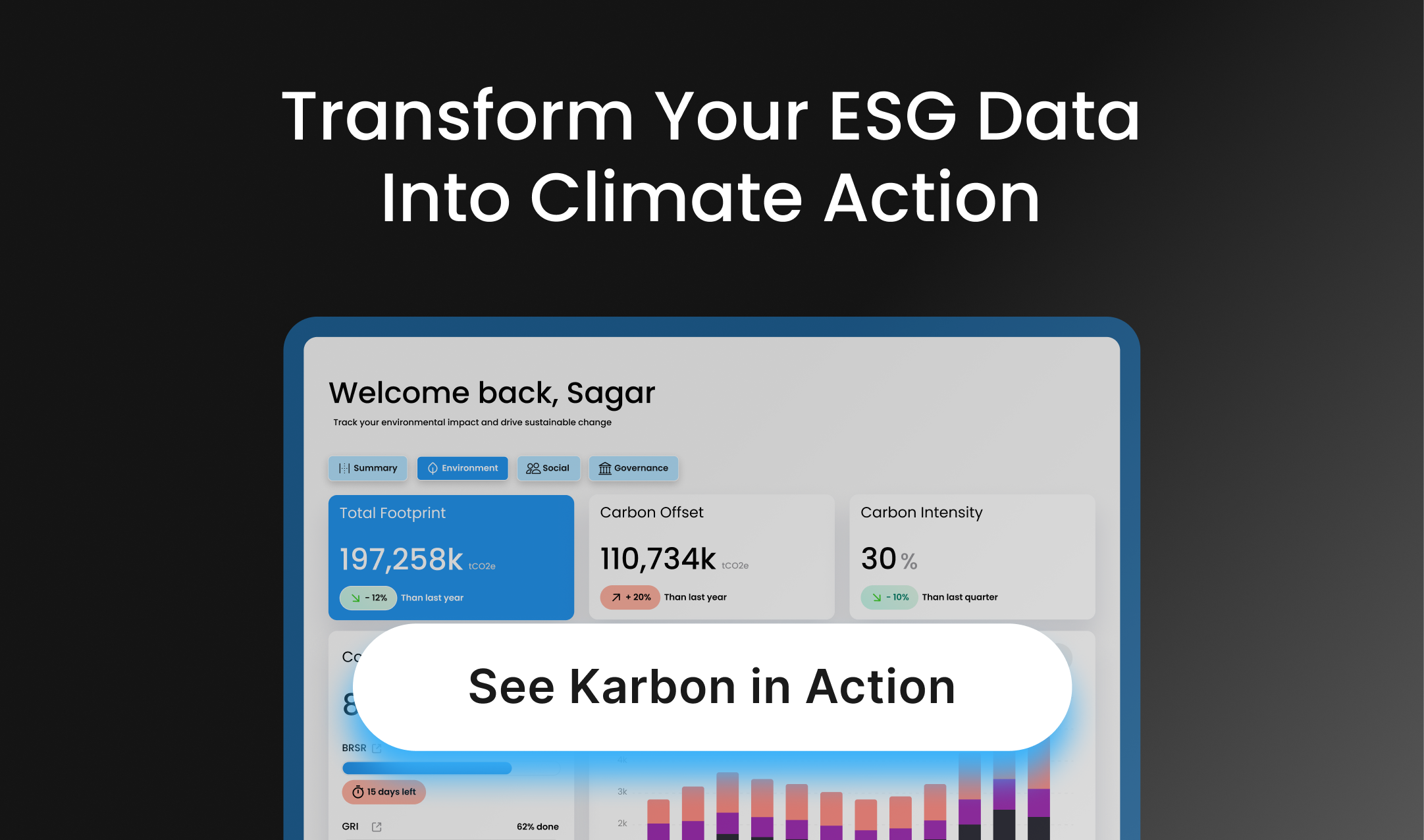
The solution: Smart companies are using ESG software like Karbon to automate the entire process.
What is BRSR and Why It Matters
BRSR (Business Responsibility and Sustainability Report) is India's answer to global ESG reporting standards.
Who needs to comply:
- Top 500 companies on NSE by market capitalization
- Top 500 companies on BSE by market capitalization
- Starting FY 2025-26, BRSR Core becomes mandatory
Why SEBI introduced this:
- Increase corporate accountability on sustainability
- Provide investors with standardized ESG data
- Align Indian companies with global reporting standards
- Drive meaningful action on climate and social issues
What happens if you don't comply:
- Regulatory penalties
- Investor concerns
- Reputational damage
- Potential delisting risks
Bottom line: BRSR isn't going away. It's only getting more detailed.
Understanding BRSR Core KPIs
BRSR Core focuses on quantifiable metrics that matter most. Think of it as the essential checklist every top company must complete.
Environmental KPIs
These measure your company's impact on the planet:
Energy Consumption (kWh)
- Total electricity used across operations
- Renewable vs. non-renewable energy mix
- Energy intensity per unit of revenue
Water Usage (Cubic Meters)
- Total water withdrawal
- Water consumption vs. discharge
- Water recycling and reuse rates
Greenhouse Gas Emissions (tons CO2e)
- Scope 1: Direct emissions from owned sources
- Scope 2: Emissions from purchased electricity
- Scope 3: Value chain emissions (increasingly important)
Waste Generation (Tons)
- Total waste generated
- Hazardous vs. non-hazardous waste
- Waste recycled, reused, or sent to landfill
Social KPIs
These track how you treat people—employees, communities, customers:
Employee Diversity and Inclusion
- Gender diversity ratios
- Representation of marginalized groups
- Pay equity across demographics
- Diversity in leadership positions
Health and Safety Performance
- Lost Time Injury Frequency Rate (LTIFR)
- Fatalities (target: zero)
- Safety training hours
- Occupational health programs
Community Engagement and Development
- CSR spending and impact
- Local employment percentage
- Community development programs
- Grievance redressal mechanisms
Human Rights and Labor Practices
- Fair wages and benefits
- Freedom of association
- No child or forced labor
- Supply chain labor standards
Governance KPIs
These assess how well your company is managed:
Board Composition and Diversity
- Independent directors percentage
- Women on board
- Board meeting attendance
- Committee composition
Executive Compensation and Benefits
- CEO to median employee pay ratio
- Performance-linked compensation
- Long-term incentive structures
Audit Committee Composition
- Independence and expertise
- Meeting frequency
- Oversight effectiveness
Stakeholder Engagement
- Investor communication frequency
- Stakeholder feedback mechanisms
- Material issue identification
- Transparency in reporting
Common BRSR Reporting Challenges
Challenge 1: Data Collection Across Multiple Sites Problem: Manufacturing plants, offices, warehouses—all generating different data in different formats.
Solution: Centralized ESG software that pulls data automatically from all locations.
Challenge 2: Calculating Scope 3 Emissions Problem: Value chain emissions are complex—suppliers, transportation, product use, disposal.
Solution: Automated Scope 3 calculation tools with emission factor databases.
Challenge 3: Ensuring Data Accuracy Problem: Manual data entry leads to errors. Auditors will scrutinize every number.
Solution: System integrations that eliminate manual processes and create audit trails.
Challenge 4: Meeting Tight Deadlines Problem: BRSR reports due within 60 days of AGM. Manual compilation takes weeks.
Solution: Real-time dashboards that keep data ready year-round, not just at reporting time.
Challenge 5: Lack of Internal Expertise Problem: Sustainability teams are small. Understanding SEBI requirements is complex.
Solution: Software with built-in BRSR templates and compliance guidance.
Implementing BRSR Reporting with Karbon
Karbon by PlanetSustech is specifically designed for Indian companies navigating BRSR requirements.
BRSR-Ready Features:
Automated Data Collection
- Integrates with SAP, Oracle, and other ERP systems
- Pulls energy, water, waste data from IoT sensors
- Connects to HR systems for workforce metrics
- Links to financial systems for spend-based emissions
BRSR Core Template Built-In
- Pre-configured for all nine principles
- SEBI-compliant KPI calculations
- Automatic unit conversions and validations
- Ready-to-export XBRL format
Multi-Site Consolidation
- Roll up data from multiple locations automatically
- Handle different measurement systems
- Manage facility-level and company-level reporting
- Support subsidiary and business unit tracking
Scope 3 Emissions Calculator
- Category-wise Scope 3 calculations (all 15 categories)
- India-specific emission factors
- Supplier engagement portals
- Transportation and distribution tracking
Audit Trail and Verification
- Complete data lineage documentation
- Version control for all changes
- Approval workflows
- Third-party assurance support
Real-Time Dashboards
- Track KPIs throughout the year
- Identify data gaps before deadline
- Monitor performance against targets
- Executive-ready visualizations
Your Questions Answered
Q: What's the difference between BRSR and BRSR Core?
BRSR is the full framework with both qualitative and quantitative disclosures. BRSR Core is the subset of essential KPIs that must be assured by third parties. Think of BRSR Core as the mandatory minimum, while full BRSR provides comprehensive context.
Q: Do we need third-party assurance for BRSR?
Yes, BRSR Core requires reasonable assurance from independent third parties. Full BRSR doesn't require assurance but is recommended for credibility.
Q: What's the deadline for BRSR reporting for FY 2025-26?
Within 60 days of your Annual General Meeting (AGM). Most companies file between June-August 2026 for FY ending March 31, 2026.
Q: How can companies ensure accurate and efficient BRSR reporting?
Three key steps:
- Implement ESG software like Karbon for automated data collection
- Establish clear data ownership and validation processes
- Start early—don't wait until reporting deadline
Q: What are the penalties for non-compliance?
SEBI can impose monetary penalties, issue warnings, or in extreme cases, initiate delisting proceedings. More importantly, non-compliance damages investor confidence and credit ratings.
Q: Can Karbon handle multiple business units and subsidiaries?
Yes. Karbon supports complex organizational structures with multi-level consolidation, different reporting boundaries, and subsidiary-level tracking while rolling up to parent company level.
Q: How does Karbon calculate Scope 3 emissions for BRSR?
Karbon uses GHG Protocol-compliant methodologies with India-specific emission factors from sources like CEA (Central Electricity Authority) and international databases. It covers all 15 Scope 3 categories relevant to your industry.
Q: How long does Karbon implementation take?
Typical implementation timeline:
- Small companies (1-5 sites): 2-4 weeks
- Medium companies (5-20 sites): 4-8 weeks
- Large conglomerates (20+ sites): 8-12 weeks
Benefits Beyond Compliance
BRSR reporting isn't just about ticking regulatory boxes. Smart companies use it strategically:
Attract Sustainable Investment:
- ESG funds preferentially invest in companies with strong BRSR performance
- Lower cost of capital through green bonds and sustainability-linked loans
- Improved credit ratings from agencies like CRISIL and ICRA
Operational Efficiency:
- Identify energy and water waste → reduce costs
- Optimize logistics → lower fuel expenses
- Improve safety → reduce insurance premiums and downtime
Risk Management:
- Early warning system for ESG risks
- Supply chain resilience through supplier assessments
- Regulatory preparedness for future requirements
Competitive Advantage:
- Win tenders that require ESG credentials
- Preferred supplier status for multinational customers
- Attract and retain top talent who value sustainability
Brand Reputation:
- Build trust with customers and communities
- Positive media coverage
- Industry leadership recognition
Ready to Simplify Your BRSR Reporting?
Don't let BRSR deadlines stress you out. Automate the process and focus on what matters—actually improving your ESG performance.
See Karbon in action and discover how PlanetSustech can transform BRSR from a compliance headache into a strategic advantage.