ESG Isn't Just for Big Companies. Why Every Business Should Start Today
Getting Started
PS Team
July 23, 2026
Table of Contents
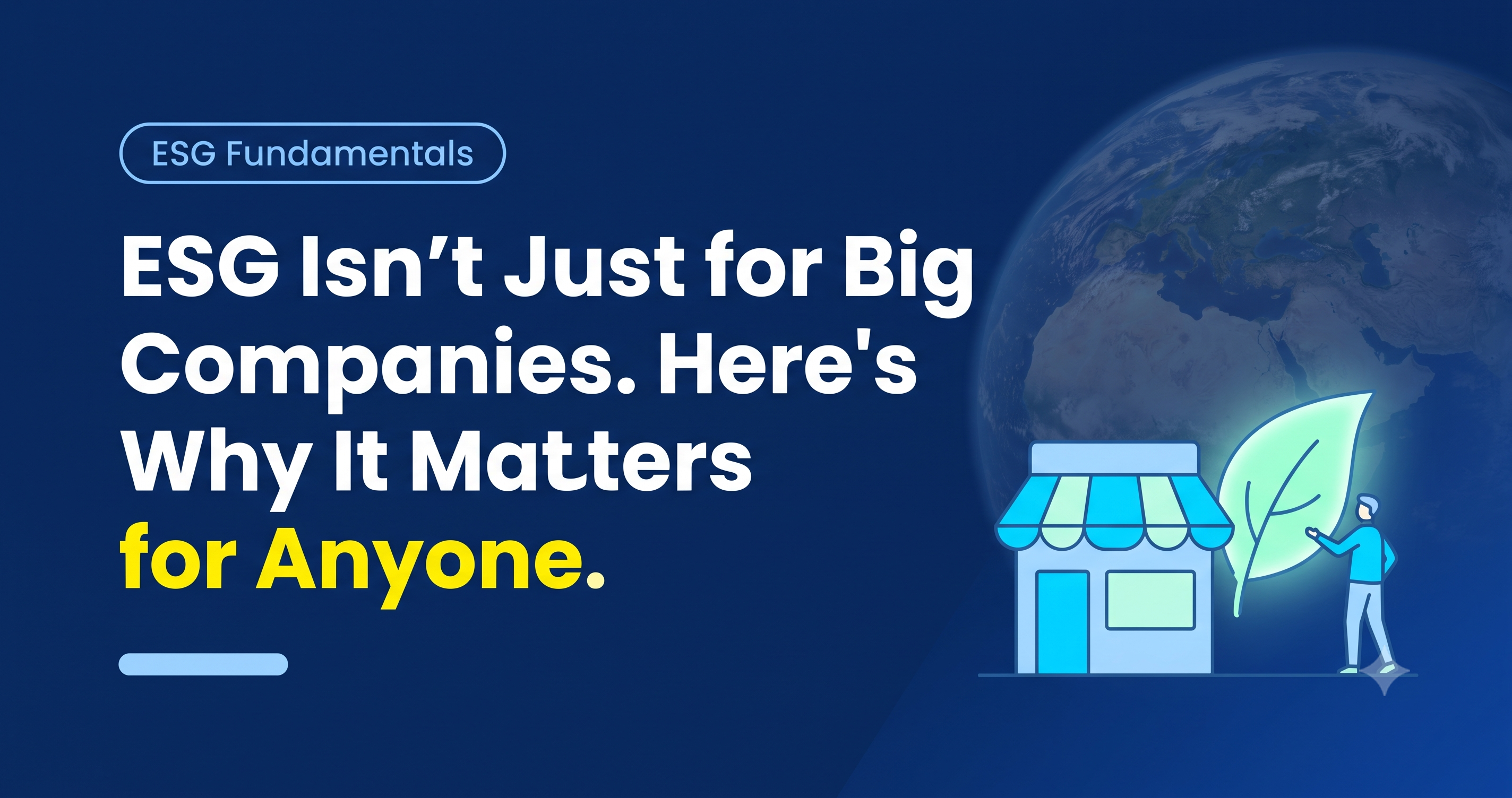
Think ESG is only for large corporations?
Your biggest customer probably doesn't.
Today, more businesses are being asked about their environmental impact, employee practices, and business ethics. Not because they're legally required to report ESG, but because their customers, investors, and partners want answers.
If your business isn't ready, you could lose opportunities before you even know they exist.The good news?
You don't need a sustainability department or a 200-page report to get started
What ESG Really Means
ESG stands for Environmental, Social, and Governance.
Behind the acronym are three simple questions every business should be able to answer.
Environmental
How does your business use resources?
Think electricity, fuel, water, waste, and greenhouse gas emissions.
Social
How do you treat people?
This includes employees, customers, suppliers, contractors, and the communities you work with.
Governance
How is your business run?
It covers ethics, accountability, transparency, compliance, and how decisions are made.
Whether you have five employees or five thousand, your business already has an environmental footprint, workplace culture, and governance practices.
ESG doesn't create new responsibilities.
It helps you understand and improve the ones you already have.
Why So Many Small Businesses Ignore ESG
Most small businesses believe ESG is only for listed companies.
That's understandable.
Many ESG regulations and reporting requirements do start with large organizations.
But there's an important difference between reporting ESG and benefiting from ESG.
You may not be required to publish an ESG report today.
That doesn't mean ESG isn't already affecting your business
Five Reasons ESG Already Matters to Your Business
1. Your Customers May Ask Before Regulators Do
Imagine you're supplying products or services to a large company.
One day they ask:
- How much electricity do you consume?
- Do you measure your carbon emissions?
- How do you manage waste?
- Do you have employee safety policies?
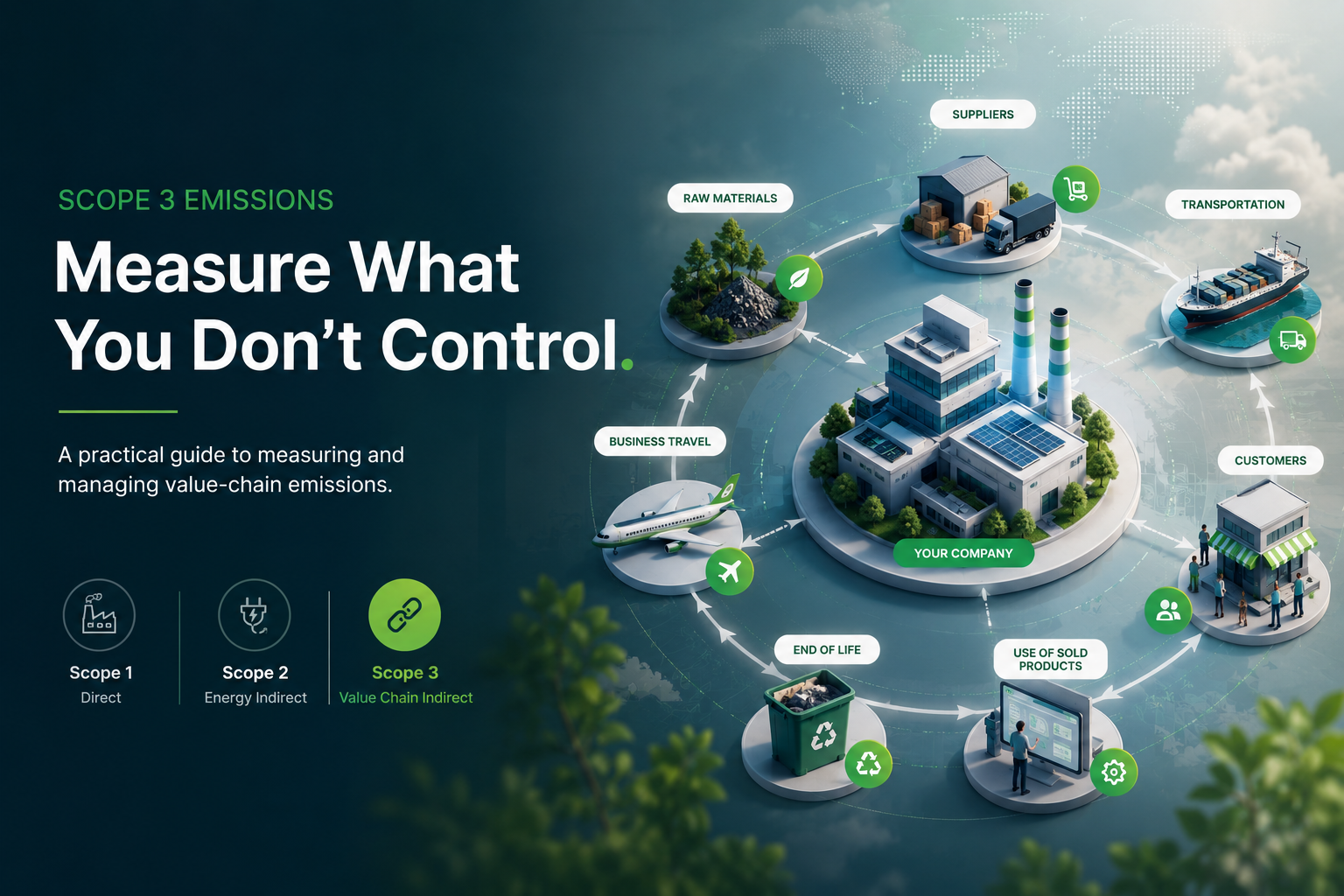
These questions are becoming common because large companies need information from their suppliers to understand emissions across their value chain.
If you already have answers, you build confidence.
If you don't, another supplier probably does.
Being prepared can become a competitive advantage.
2. Reducing Waste Usually Reduces Costs
Many businesses think environmental initiatives are expensive.
In reality, they often uncover unnecessary spending.
Tracking electricity usage, fuel consumption, water use, and material waste helps identify inefficiencies that increase operating costs.
- Lower energy consumption.
- Less wasted material.
- Reduced disposal costs.
- Better operational efficiency.
- Good environmental practices often make good business sense
3. People Remember How You Treat Them
The Social pillar isn't about complex policies.
It's about creating a workplace people want to stay in.
- Fair wages.
- Safe working conditions.
- Employee development.
- Respectful customer service.
- Businesses with strong people practices often experience lower employee turnover, higher productivity, and stronger customer loyalty.
Those advantages matter at every stage of growth.
4. Trust Takes Years to Build
Governance sounds complicated.
It isn't.
It simply means running your business honestly and consistently.
- Customers notice.
- Employees notice.
- Banks notice.
- Partners notice.
- Clear decision-making, ethical practices, and transparency build credibility over time.
Poor governance can destroy trust much faster than it was built.
5. Access to Funding Is Changing
Banks, investors, and government programs are increasingly considering sustainability and business practices when evaluating companies.
Businesses that can clearly explain how they manage environmental and social risks are often better positioned for funding, partnerships, and long-term growth.
You don't need perfect data.
You need a clear understanding of your business
ESG Doesn't Have to Be Complicated
One of the biggest misconceptions is that ESG requires significant investment.
For most small and medium-sized businesses, the first steps are surprisingly simple.
Start by answering a few basic questions.
- Where does your electricity come from?
- How much water do you use?
- What happens to your waste?
- Do you have basic employee policies?
- Can you explain how important business decisions are made?
Then start tracking a few key numbers.
You don't need perfection.
You need consistency.
The businesses that start early have time to improve.
The businesses that wait often end up scrambling when customers begin asking questions.
The Biggest Risk Isn't Doing ESG Wrong
It's Doing Nothing.
Many businesses assume ESG is someone else's responsibility.
Until...
- A customer requests supplier sustainability information.
- A tender includes ESG questions.
- An investor asks about business practices.
- A competitor wins because they were better prepared.
By then, ESG becomes an urgent problem instead of a planned improvement.
Starting today gives you time to build the right processes without pressure.
Every Business Starts Somewhere
You don't need to become an ESG expert overnight.
You don't need expensive consultants or complicated reporting frameworks.
You simply need to understand how your business operates today and where you can improve tomorrow.
The sooner you start, the easier the journey becomes.
Ready to Take the First Step?
At Planet Sustech, we believe ESG should be practical, measurable, and accessible for businesses of every size.
Whether you're responding to customer questionnaires, preparing for future regulations, or simply looking to operate more efficiently, we help you build an ESG approach that fits your business, without unnecessary complexity.
From carbon accounting and ESG reporting to supplier engagement and sustainability strategy, we help organisations turn ESG into a business advantage instead of a compliance burden.
If you're wondering where to begin, we'd be happy to help you identify the right starting point.
The best time to start ESG isn't when it becomes mandatory.
It's before it becomes expected